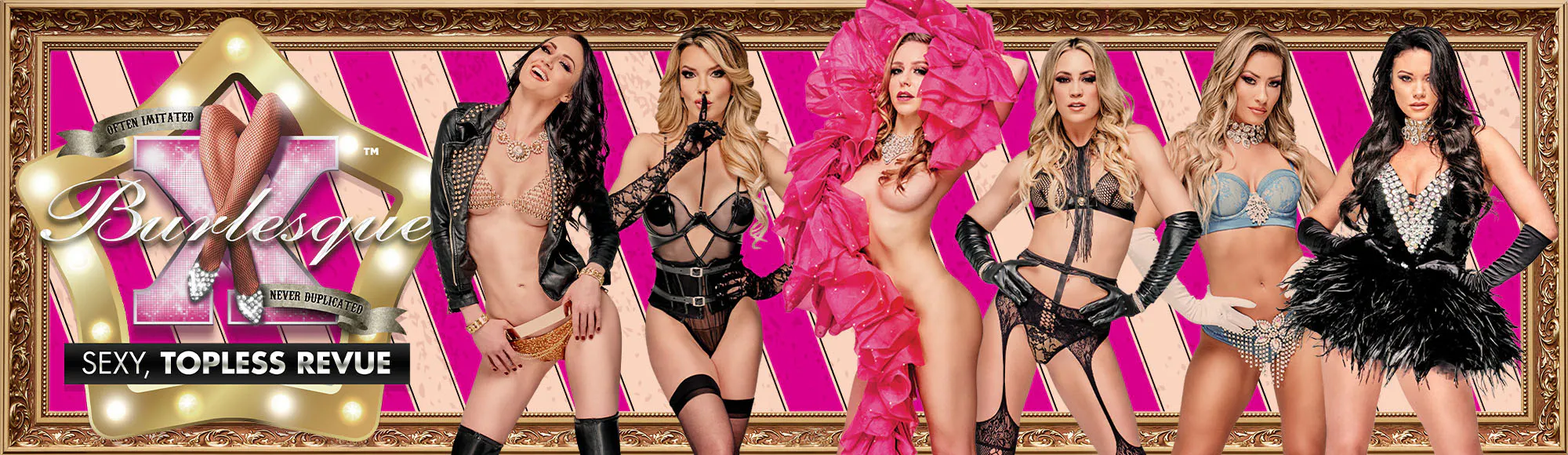
 An Old Fashioned, some red lipstick and a black dress…sigh, there’s just something undeniable about a good ol’ classic. The beloved Vegas showgirl may be an endangered species these days (insert tear), but “VEGAS! THE SHOW” preserved those feather-clad beauties and the likes of an era when everything was flashier and dripping with sophistication. What’s that you ask? Can a show filled with gorgeous and talented women a la Rat Pack era really exist in the here and now? Oh yes my friend, it sure can and all we have to say is raise that curtain and let the good times roll. With a little song, a lot of dance and that certain sultry allure that only old timey Vegas could pull off, this is a trip down memory lane and, well, it’s pretty legit. The costumes are fun, funky, sexy and so real. Ok, well maybe not the candy-themed costumes but hell, their Sammy Davis Jr. sure had us pining for an autograph. For a city that was built on pure, raw talent and obviously dolla dolla bills, this show celebrates iconic moments from the city's rich entertainment history through the decades that made the Vegas we know and love today. And we’ll tip our top hats to that.
Published
Why does a casino chip feel like play money, even when it's worth $5,000?
In this video, we break down the hidden trick behind casino chips, credit cards, in-game gems and loyalty points: when payment stops hurting, spending gets easier. You'll see the MIT experiment with Boston Celtics tickets, the brain region linked to the "pain of paying," and why modern payment design borrows from the casino floor.
At the end, there's one simple habit that brings your brain's built-in warning system back.
⏱ Chapters
0:00 A chip that isn't money
0:16 The blackjack table trade
0:41 The professor who tested it
0:57 The Celtics tickets experiment
1:35 The pain of paying
2:26 But that's only the surface
3:05 The slot machine upgrade
3:43 You're already at the table
4:28 Who profits from this
4:57 How to make it hurt again
5:37 Back to the blackjack table
???? Sources and further reading
- Drazen Prelec & Duncan Simester (2001), "Always Leave Home Without It: A Further Investigation of the Credit-Card Effect on Willingness to Pay," Marketing Letters.
- Brian Knutson et al. (2007), "Neural Predictors of Purchases," Neuron.
- Drazen Prelec & George Loewenstein (1998), "The Red and the Black: Mental Accounting of Savings and Debt," Marketing Science.
- Natasha Dow Schüll (2012), "Addiction by Design: Machine Gambling in Las Vegas," Princeton University Press.
???? Question for you: what's the "chip" you notice most in your own life? Points, gems, gift cards, buy now pay later? Tell me in the comments.
If you liked this, subscribe for more videos that take an ordinary thing and show the mechanism hiding inside it.
#psychology #money #casino #behavioraleconomics #explainer
In this video, we break down the hidden trick behind casino chips, credit cards, in-game gems and loyalty points: when payment stops hurting, spending gets easier. You'll see the MIT experiment with Boston Celtics tickets, the brain region linked to the "pain of paying," and why modern payment design borrows from the casino floor.
At the end, there's one simple habit that brings your brain's built-in warning system back.
⏱ Chapters
0:00 A chip that isn't money
0:16 The blackjack table trade
0:41 The professor who tested it
0:57 The Celtics tickets experiment
1:35 The pain of paying
2:26 But that's only the surface
3:05 The slot machine upgrade
3:43 You're already at the table
4:28 Who profits from this
4:57 How to make it hurt again
5:37 Back to the blackjack table
???? Sources and further reading
- Drazen Prelec & Duncan Simester (2001), "Always Leave Home Without It: A Further Investigation of the Credit-Card Effect on Willingness to Pay," Marketing Letters.
- Brian Knutson et al. (2007), "Neural Predictors of Purchases," Neuron.
- Drazen Prelec & George Loewenstein (1998), "The Red and the Black: Mental Accounting of Savings and Debt," Marketing Science.
- Natasha Dow Schüll (2012), "Addiction by Design: Machine Gambling in Las Vegas," Princeton University Press.
???? Question for you: what's the "chip" you notice most in your own life? Points, gems, gift cards, buy now pay later? Tell me in the comments.
If you liked this, subscribe for more videos that take an ordinary thing and show the mechanism hiding inside it.
#psychology #money #casino #behavioraleconomics #explainer
Sign in or sign up to post comments.
Be the first to comment
Up Next
Autoplay
-
44:14

Money Money Money ???? LAS VEGAS ???????? Casino Gewinn ????
-
00:13
Vegas Clubs that feel like ibiza is the newest day club on the strip and the vibes there were
-
19:44
This Doesn’t Feel Like All-You-Can-Eat… But It Is
-
00:16
How Steve Wynn Built A Casino Money Machine #lasvegas #money
-
01:01
The best Fish n’ chips in Las Vegas crispy cod and haddock with thick hand cut chips affordable food
-
02:30
Las Vegas Vacation Tips: Save Money. Don't take a taxi!
-
00:06
Why do I feel like I’m always full? ???? #lasvegas #funny
-
02:08
Top Hotels In Las Vegas That DON’T Smell Like Smoke… #hotel #lasvegas
-
00:27
The Secret To Making Guests Feel Like KINGS #shorts #vegas
-
00:21
Why Steve Wynn’s Casinos Feel Different #shorts #viral
-
10:55

What's NEW in Las Vegas For MAY 2026!
-
01:14

Fun Places to Drink in Las Vegas And How To Find Them #Vegas #LasVegas
-
05:23

Top Three Vegas Strip Clubs Tips by Brandi Bottoms
-
01:23

Omnia Nightclub: Vegas Tips for an Unforgettable Night! #shorts
-
00:23

Las Vegas gentlemen's club sues rapper Blueface after alleged shooting
-
00:06

It’s a movie???? #tapelondon #londonclubs #londonclubpromoter #mayfair
-
00:35

Inside Palomino Strip Club - Las Vegas Story - Day 8
-
00:37

This is why you shouldn’t walk around in Vegas
-
14:57
Gentlemen's Club Cocktail Waitress in Las Vegas
-
00:59

Four Las Vegas Scams Hustles Safety Tips to avoid getting scammed monks show girls skin care samples


 Loading...