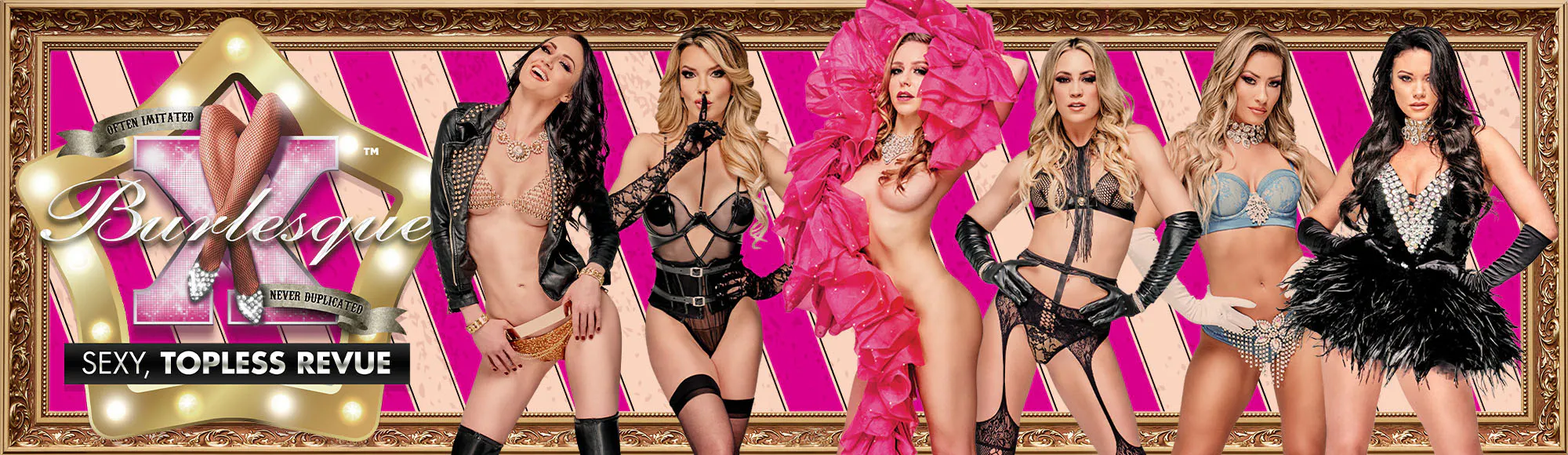
 An Old Fashioned, some red lipstick and a black dress…sigh, there’s just something undeniable about a good ol’ classic. The beloved Vegas showgirl may be an endangered species these days (insert tear), but “VEGAS! THE SHOW” preserved those feather-clad beauties and the likes of an era when everything was flashier and dripping with sophistication. What’s that you ask? Can a show filled with gorgeous and talented women a la Rat Pack era really exist in the here and now? Oh yes my friend, it sure can and all we have to say is raise that curtain and let the good times roll. With a little song, a lot of dance and that certain sultry allure that only old timey Vegas could pull off, this is a trip down memory lane and, well, it’s pretty legit. The costumes are fun, funky, sexy and so real. Ok, well maybe not the candy-themed costumes but hell, their Sammy Davis Jr. sure had us pining for an autograph. For a city that was built on pure, raw talent and obviously dolla dolla bills, this show celebrates iconic moments from the city's rich entertainment history through the decades that made the Vegas we know and love today. And we’ll tip our top hats to that.
Published
Las Vegas casinos integrate nightclubs (or high-energy lounges/bars with dance elements) right near or visible from the casino floor as a deliberate design strategy to create an immersive, party-driven environment that boosts gambling. This isn't random—it's rooted in revenue maximization, psychology, and the evolution of Vegas from pure gambling halls to full entertainment resorts.
Historical and Business Reasons
Vegas has long blended gambling with nightlife. In the mob era of the 1950s, casino owners used celebrity shows and nightclub acts (think Rat Pack, showgirls) to draw crowds and keep them spending. Modern mega-resorts amplified this: properties like Caesars Palace (with OMNIA), MGM (Marquee), and others place clubs as central attractions.
Key reasons for putting them on or adjacent to the casino floor:
Keep people on property longer**: Guests who come for clubs, shows, or pool parties stay in the ecosystem. They drink, socialize, eat, and wander into gaming areas without leaving. Non-gaming revenue (clubs, dining, etc.) now makes up a huge chunk of totals—sometimes gambling is only ~24-40% of income at some spots.
Attract younger demographics**: Millennials and Gen-Z visitors prioritize experiences over pure slots/tables. Flashy nightclubs, DJs, and social media-worthy vibes pull them in, then expose them to gambling.
Synergy with alcohol and energy**: Clubs serve as high-margin revenue centers (bottle service, cover charges) while funneling intoxicated patrons toward games. Many clubs have direct access or overlooks onto the floor.
How It Changes the Vibe and Drives More Gambling
The integration creates a high-arousal, disinhibited atmosphere that psychologically nudges people to gamble more:
Sensory overload and excitement**: Pulsing music, lights, crowds, and bass from the club bleed into the casino (or vice versa). This blends the thrill of dancing/partying with the thrill of betting. The collective energy feels electric—like a nonstop party—making time disappear and risk feel fun rather than scary. Casinos already use no clocks/windows, dim lighting, and noise to distort time; clubs amp this up.
Alcohol + social proof: Drinking lowers inhibitions and increases risk-taking (a well-documented effect in behavioral psychology). In a buzzing nightclub-casino hybrid, people see others winning, laughing, and betting big, triggering **herd behavior and FOMO. You're not a lone gambler—you're part of the "winning" party crowd.
Emotional highs and impulsivity**: Partying creates dopamine surges from music, flirting, wins, and social validation. This carries over to slots/tables, where near-misses and small wins feel amplified. The vibe shifts gambling from "serious" to "just part of the fun," encouraging longer sessions and bigger bets.
Flow and convenience**: No need to cab elsewhere. You finish dancing, grab a drink at a bar overlooking craps, and suddenly you're playing. Layouts often position clubs so exiting means walking past high-traffic games.
In short, it transforms the casino from a sterile gambling hall into a 24-hour pleasure dome. The high-energy nightclub vibe makes the floor feel vibrant and seductive rather than seedy or desperate. This keeps "the house advantage" working longer while guests chase the overall rush. Many leave with lighter wallets but stories of an epic night—exactly what Vegas sells. It's smart (if manipulative) business that turned the Strip into a global party destination.
Historical and Business Reasons
Vegas has long blended gambling with nightlife. In the mob era of the 1950s, casino owners used celebrity shows and nightclub acts (think Rat Pack, showgirls) to draw crowds and keep them spending. Modern mega-resorts amplified this: properties like Caesars Palace (with OMNIA), MGM (Marquee), and others place clubs as central attractions.
Key reasons for putting them on or adjacent to the casino floor:
Keep people on property longer**: Guests who come for clubs, shows, or pool parties stay in the ecosystem. They drink, socialize, eat, and wander into gaming areas without leaving. Non-gaming revenue (clubs, dining, etc.) now makes up a huge chunk of totals—sometimes gambling is only ~24-40% of income at some spots.
Attract younger demographics**: Millennials and Gen-Z visitors prioritize experiences over pure slots/tables. Flashy nightclubs, DJs, and social media-worthy vibes pull them in, then expose them to gambling.
Synergy with alcohol and energy**: Clubs serve as high-margin revenue centers (bottle service, cover charges) while funneling intoxicated patrons toward games. Many clubs have direct access or overlooks onto the floor.
How It Changes the Vibe and Drives More Gambling
The integration creates a high-arousal, disinhibited atmosphere that psychologically nudges people to gamble more:
Sensory overload and excitement**: Pulsing music, lights, crowds, and bass from the club bleed into the casino (or vice versa). This blends the thrill of dancing/partying with the thrill of betting. The collective energy feels electric—like a nonstop party—making time disappear and risk feel fun rather than scary. Casinos already use no clocks/windows, dim lighting, and noise to distort time; clubs amp this up.
Alcohol + social proof: Drinking lowers inhibitions and increases risk-taking (a well-documented effect in behavioral psychology). In a buzzing nightclub-casino hybrid, people see others winning, laughing, and betting big, triggering **herd behavior and FOMO. You're not a lone gambler—you're part of the "winning" party crowd.
Emotional highs and impulsivity**: Partying creates dopamine surges from music, flirting, wins, and social validation. This carries over to slots/tables, where near-misses and small wins feel amplified. The vibe shifts gambling from "serious" to "just part of the fun," encouraging longer sessions and bigger bets.
Flow and convenience**: No need to cab elsewhere. You finish dancing, grab a drink at a bar overlooking craps, and suddenly you're playing. Layouts often position clubs so exiting means walking past high-traffic games.
In short, it transforms the casino from a sterile gambling hall into a 24-hour pleasure dome. The high-energy nightclub vibe makes the floor feel vibrant and seductive rather than seedy or desperate. This keeps "the house advantage" working longer while guests chase the overall rush. Many leave with lighter wallets but stories of an epic night—exactly what Vegas sells. It's smart (if manipulative) business that turned the Strip into a global party destination.
- Category
- Las Vegas Pool Party
- Tags
- vegas, las vegas, las vegas strip
Sign in or sign up to post comments.
Be the first to comment
Up Next
Autoplay
-
00:23

Vegas Strip has Rainforest Cafe?Just like you remember#lasvegas #vegas #vegasfood #vegsslocal#cafe
-
00:08
Rainforest Cafe on Vegas Strip?Yes!Just like U Remember #lasvegas #vegas#vegasfood #vegaslocals
-
03:04
Sunset Station Hotel Casino - You’ll Remember This Stay | Las Vegas (NV), United States????
-
31:53
JACKPOT to REMEMBER!!! MASSIVE WIN at Palms casino, Las Vegas!!! #slotmachine #gambling
-
00:21
People remember how you make them feel about themselves ????
-
03:52
Something to Remember Me By
-
00:59
Las Vegas Transportation Tips: Do this to remember where you parked your car
-
01:05
????✨ 3 Classic Downtown Vegas Restaurants You’ve Got to Try—And You Can Save While You’re At It ???
-
01:41
Remember to watch where you buy in Las Vegas
-
09:42
Was Sin City Good As I Remember?
-
10:55

What's NEW in Las Vegas For MAY 2026!
-
01:14

Fun Places to Drink in Las Vegas And How To Find Them #Vegas #LasVegas
-
05:23

Top Three Vegas Strip Clubs Tips by Brandi Bottoms
-
01:23

Omnia Nightclub: Vegas Tips for an Unforgettable Night! #shorts
-
00:23

Las Vegas gentlemen's club sues rapper Blueface after alleged shooting
-
00:06

It’s a movie???? #tapelondon #londonclubs #londonclubpromoter #mayfair
-
00:35

Inside Palomino Strip Club - Las Vegas Story - Day 8
-
00:37

This is why you shouldn’t walk around in Vegas
-
14:57

Gentlemen's Club Cocktail Waitress in Las Vegas
-
00:59

Four Las Vegas Scams Hustles Safety Tips to avoid getting scammed monks show girls skin care samples


 Loading...